






Beauty of Joseon
Revive Eye Serum: Ginseng + Retinal
4.6
Retinaldehyde — the most effective over-the-counter retinoid — in a gentle, fragrance-free serum at a remarkable price. About as good as a first retinoid gets.

 By Claire Doyle · Published June 2026 · 6 min read · How we rank
Pimple patches are the rare bit of skincare that does one small thing well and almost nothing it shouldn't. Most are hydrocolloid — a wound dressing that sits over a spot, soaks up the fluid, and stops you picking — and Korean brands make some of the cheapest, best ones going. The catch is that they only help a spot that's already surfaced; for the deep, sore ones, you need a different patch or a different plan. We've picked three worth buying in Australia — a do-it-all hydrocolloid, a microneedle patch for under-the-skin spots, and a value pick — and explained when each earns its place.

Acne Pimple Master Patch
The original Korean hydrocolloid patch: three sizes, no actives, and it does the one job a patch is for.

Micro Pin Spot Patch
Tiny self-dissolving pins are designed to push into a spot that hasn't surfaced. A flat hydrocolloid patch can't help that kind of spot.

Care Plus Spot Patch
A very thin patch from a big Korean beauty chain. The maker calls it translucent, and it has the most patches in the box.
| Feature | COSRX Acne Pimple Master Patch | Some By Mi Micro Pin Spot Patch | Olive Young Care Plus Spot Patch |
|---|---|---|---|
| Type | Hydrocolloid patch | Microneedle patch | Hydrocolloid patch |
| Where it fits | Spot treatment — applied straight onto a surfaced spot | Spot treatment — applied onto an early, unsurfaced spot | Spot treatment — applied straight onto a surfaced spot |
| Hero ingredient | Hydrocolloid (three sizes) | Self-dissolving micro-pins | Ultra-thin hydrocolloid |
| Size | 48 patches, 3 sizes | 9 micro-pin patches | 81 patches (14mm) |
| Skin types | Any skin with the odd whitehead | Acne-prone, for sore deep spots | Any skin with the odd whitehead |
| Fragrance | None | None | None |
Almost every pimple patch is the same material underneath: hydrocolloid, the same gel-forming dressing used on blisters and grazes. Stuck over a spot, it absorbs the fluid weeping out of it and keeps the area clean and slightly moist, which can help it heal. Maybe most usefully, it puts a physical barrier between the spot and your fingers. Stopping you picking lowers the chance of a mark.
The limit is what it can reach. A hydrocolloid patch only does something for a spot that’s already open or surfaced — a whitehead, or one you’ve (against your better judgement) popped. On a deep, closed, under-the-skin lump, or on a blackhead, there’s no fluid to draw out, so a flat patch just sits there. That’s the single most useful thing to know before you buy.
Patches do have some evidence behind them: research in the Journal of the American Academy of Dermatology found hydrocolloid patches improved the look of a popped pimple — redness, crusting, size — though the clinical evidence base is still thin overall. What it points to is the one thing patches reliably do: cover an open spot, soak up the gunk, and stop you making it worse.
So the choices that matter are simple. Plain hydrocolloid for surfaced spots; a microneedle patch if you want to reach one that hasn’t surfaced; size (a good pack has a few, so you’re not putting a 14mm disc on a pinprick); and thickness — thinner patches hide better under makeup and in daylight, thicker ones stay put better overnight. Price barely matters: these are cheap, and the Korean ones are among the cheapest that work.
Best for everyday surfaced whiteheads — the simple, cheap patch most people should start with.
This is the patch that made the category, and it’s still the one to beat: plain hydrocolloid, no added actives, in three sizes so you can match the disc to the spot. You stick it on a clean, dry whitehead overnight. Hydrocolloid turns white as it soaks up fluid, and it can help a surfaced spot settle overnight. COSRX says it sticks strongly to skin, and it costs very little per patch.
One note on the marketing. COSRX’s packaging talks about “eliminating infection and bacteria”, which oversells it — a hydrocolloid patch doesn’t disinfect or medicate, it absorbs and shields. That’s plenty for an open spot. It does nothing for a deep, closed one for a separate reason: there’s no fluid on top to draw out. Buy it for what it is — the dependable, do-it-all patch — and it’s hard to better.
Best for the sore, under-the-skin spots you can feel but not squeeze.
The frustrating spots are the ones that never surface — the deep, tender lumps a flat patch can’t help with, because there’s nothing on top to absorb. A microneedle patch is the workaround: its surface is covered in tiny self-dissolving pins. They are designed to press into the spot when you push the patch on, so it can work below the surface.
Two caveats keep it as the specialist pick rather than the default. The evidence for microneedle patches is thinner than for plain hydrocolloid, so treat it as promising rather than proven. And you get only nine in a pack, at a higher price each — fine for the occasional deep spot rather than everyday wear. For what it’s aimed at, though, nothing else here comes close.
Best for stocking up — a super-thin patch, for the least per patch.
Care Plus is the house-brand patch from Olive Young, Korea’s biggest beauty chain, and it’s popular for two reasons. It’s very thin: Olive Young lists it at 0.1 to 0.37mm and calls it translucent. The maker says you can wear it day or night, under or over makeup. It also comes in counts that make it very cheap per patch. As a plain hydrocolloid it does the same core job as the COSRX.
The thing to check is size. The pack here is all one big 14mm disc, which is great over a large spot but overkill on a small one; Care Plus sells multi-size packs too, and they’re the more versatile buy. If you use a lot of patches and want a thin one for daytime, buy this one in bulk.
For most people most of the time, the COSRX is the answer: a surfaced whitehead, a patch overnight, done. Reach for the Some By Mi Micro Pin when the problem is the opposite — a sore lump that hasn’t come up and that a flat patch can’t touch. And if you get through patches and want a thin one for the day, the Olive Young is the cheap one to stockpile, just in a size that suits the spot.
The summary is simple: a pimple patch is a small, useful tool with modest aims — it covers a spot that’s already there, can help it heal, and stops you picking, which is worth doing, but it won’t clear your skin or touch a spot that’s still under the surface. Within those limits, all three are easy to recommend: the COSRX for everyday whiteheads, the Some By Mi for the deep ones, and the Olive Young when you want them cheap and thin. If breakouts are frequent or deep, a patch is the sticking plaster; the fix is the routine underneath it. For the leave-on creams and serums that work on the spot itself, see our best Korean spot treatments.
Revive Eye Serum: Ginseng + Retinal
Retinaldehyde — the most effective over-the-counter retinoid — in a gentle, fragrance-free serum at a remarkable price. About as good as a first retinoid gets.
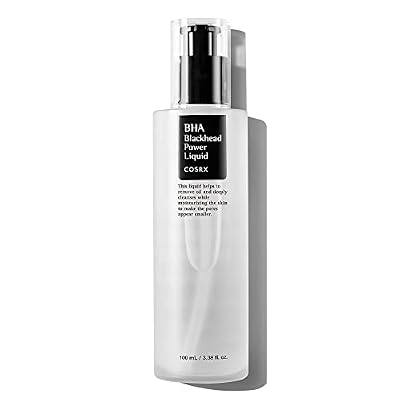
A 4% betaine salicylate liquid built to get into pores and help clear blackheads.

A fragrance-free heartleaf toner that calms redness and adds light hydration — a gentle daily step for sensitive skin.
 Guide
GuideHow to get rid of blind pimples, the Korean skincare way
A blind pimple is a pore sealed shut under the skin, which is why a hydrocolloid patch made for a surfaced spot does little for it. Korea's answer is to keep the pore clear and let the bump settle, without forcing it.