






Beauty of Joseon
Revive Eye Serum: Ginseng + Retinal
4.6
Retinaldehyde — the most effective over-the-counter retinoid — in a gentle, fragrance-free serum at a remarkable price. About as good as a first retinoid gets.

 By Claire Doyle · Published July 2026 · 7 min read · How we rank
A spot treatment is what you reach for once a breakout has already started — a small, targeted dab of active ingredients, kept aside from the daily routine. It sits a step past a pimple patch: a patch covers a surfaced spot and draws out the fluid, while a treatment carries something into the skin to calm the spot, dry it down, or fade what it leaves behind. Korean brands do this cheaply and gently, usually around one clear ingredient, without a stack of harsh acids. We've picked three that suit different jobs — a gentle everyday cream, an overnight drying pick for a spot that's come to a head, and an azelaic serum for the marks and redness a breakout leaves.

Tea-Trica Spot Cream
A gentle tea-tree and cica cream, calm enough for daily use and the cheapest here — the everyday spot treatment for most skin.

AC Collection Ultimate Spot Cream
A thicker drying cream built on zinc oxide and calamine, designed to dry down a surfaced spot overnight.

Azelaic Acid 10 Hyaluron Redness Soothing Serum
A 10% azelaic acid serum aimed at the flat marks and redness a spot leaves behind, plus bumpy texture.
| Feature | SKIN1004 Tea-Trica Spot Cream | COSRX AC Collection Ultimate Spot Cream | Anua Azelaic Acid 10 Hyaluron Redness Soothing Serum |
|---|---|---|---|
| Type | Spot cream | Overnight spot cream | Azelaic serum |
| Where it fits | As needed — dab on a spot, or over a flaring area | As needed — a dab on a surfaced spot at night | As needed — a thin layer over marks or a breakout, then sunscreen by day |
| Hero ingredient | Tea tree + centella (cica), with calamine | Zinc oxide + calamine + centella | 10% azelaic acid + cica |
| Size | 20ml | 30g | 30ml |
| Skin types | Acne-prone, gentle enough for sensitive | Oily, acne-prone | Blemish-prone; post-spot marks |
| Fragrance | None | None | None |
A spot treatment does one of two jobs, and it helps to know which you’re buying for. The first is calming or drying an active spot — an inflamed whitehead or papule that’s sore and red. The second is fading what it leaves behind: the flat brown or pink mark, called post-inflammatory pigmentation, that can sit on the skin for weeks after the spot itself has gone. Few products do both jobs equally well, so the ingredient matters.
For an active spot, the useful actives are the ones that calm inflammation or absorb oil and fluid — tea tree oil, centella (cica), calamine, zinc. For the mark afterwards, you want something that eases pigment down over time, like azelaic acid. What none of these touch is a blackhead or a clogged pore, where there’s no inflammation to settle; for those, an exfoliating acid is the better tool. And if a spot has already surfaced and you mostly want to cover it and stop picking, a pimple patch does that covering job more cheaply than any cream here.
One habit worth keeping: introduce an active on its own, and give it a week or two before you judge it. Piling a new treatment on top of three other new products is how you end up with irritation you can’t trace.
Best for most people — the gentle, low-cost cream to reach for at the first sign of a spot, calm enough to use across a flaring patch of skin.
It’s built around two soothing actives. Tea tree oil is an essential oil with antibacterial and anti-inflammatory action, which a review of the clinical evidence ties to fewer inflammatory spots. Centella asiatica — cica — is the calming herb Korean brands lean on for irritated skin. Calamine rounds it out by absorbing excess oil and settling redness, and a low dose of gentle exfoliating acids — AHA, PHA and LHA — keeps the surface smooth. Those acids can leave skin more sensitive to the sun, so wear a sunscreen in the day when you’re using it.
SKIN1004 describes it as a lightweight cream. The maker says it can go on a single spot or over the whole face. It’s non-comedogenic, fragrance-free and the cheapest of the three, which makes it the easy one to keep on hand and use often.
Two things to know. Tea tree oil suits most skin but irritates a few, so patch-test if you react easily. And it’s a calming, supportive treatment, made to help a spot settle. It isn’t built to dry out a large, inflamed spot overnight. For that, the next pick is the stronger tool.
Best for a sore, surfaced spot you want to dry down overnight — the strongest of the three.
This one leans on zinc oxide and calamine, the classic drying, oil-absorbing pair behind old-fashioned calamine lotion, with a centella complex and aloe to keep the surrounding skin calm. Dabbed on a spot that’s come to a head, it’s designed to soak up oil and fluid overnight. That can help the spot look smaller and less red.
Use it the way it’s designed: a thin layer on a clean, surfaced spot at night, then leave it off in the daytime under makeup. It’s aimed at inflamed whiteheads and papules — the raised, sore spots — where there’s something to dry down.
The flip side is that drying is the whole point, so it’s easy to overdo. Keep it to the spot, skip it on dry or sensitive skin, and don’t expect it to help a blackhead or a mark. It’s also the priciest here, which is why it’s the targeted night-time pick rather than the everyday default.
Best for the flat marks and lingering redness a spot leaves once it’s gone — and for bumpy, uneven texture.
The active here is 10% azelaic acid, which eases excess pigment and calms inflammation. A pharmacology review of its clinical use lists it for both acne and the marks acne leaves behind. Anua pairs it with hyaluronic acid and panthenol for hydration, and a cica-and-blue-tansy blend that lends the serum a faint green tint in the bottle — blue tansy is a naturally blue-green oil.
Anua describes it as a watery serum that absorbs fast and is easy to layer. Start slow — a thin layer once or twice a week, building up as your skin gets used to it — and finish with sunscreen in the day, since fresh marks darken faster in the sun.
Azelaic acid is gentler than most brightening actives, but it’s still an active: it can cause a mild tingle early on. Give it several weeks, because marks fade slowly. Of the three, it’s the one for after the spot has gone.
If you keep only one, make it the SKIN1004 Tea-Trica: it’s gentle, it’s the cheapest, and it’s made for the everyday spot, on most skin. Reach for the COSRX Ultimate Spot Cream on the nights a spot has surfaced and you want it dried down overnight — just keep it on the spot and off dry skin. And bring in the Anua azelaic serum once the spot itself is gone but the mark or the redness stays, or when the problem is bumpy, uneven texture more than a single blemish. For clogged pores and blackheads, none of these is the answer — reach for a BHA like the COSRX Blackhead Power Liquid instead.
None of these clears skin on its own — a spot treatment works on the spot in front of you, and it can’t fix the reason it turned up. Taken for that, all three earn their place: the SKIN1004 as the gentle, cheap default, the COSRX as the overnight tool for a spot that’s come to a head, and the Anua for the marks and redness left behind. Most people only ever need the first one. The other two are occasional buys — reach for the COSRX the day a spot won’t quit, and the Anua when a mark outstays the spot. Match the treatment to the problem you have that week, and let the rest sit in the drawer.
Revive Eye Serum: Ginseng + Retinal
Retinaldehyde — the most effective over-the-counter retinoid — in a gentle, fragrance-free serum at a remarkable price. About as good as a first retinoid gets.
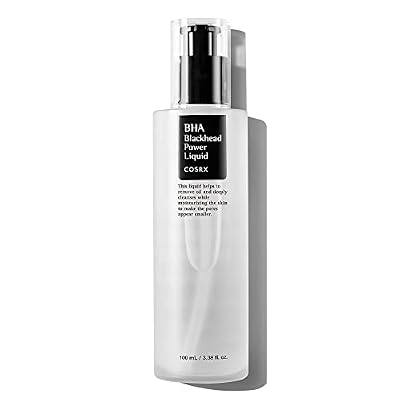
A 4% betaine salicylate liquid built to get into pores and help clear blackheads.

A fragrance-free heartleaf toner that calms redness and adds light hydration — a gentle daily step for sensitive skin.
 Guide
GuideHow to get rid of blind pimples, the Korean skincare way
A blind pimple is a pore sealed shut under the skin, which is why a hydrocolloid patch made for a surfaced spot does little for it. Korea's answer is to keep the pore clear and let the bump settle, without forcing it.