
Anua
4.3
A fragrance-free heartleaf toner that calms redness and adds light hydration — a gentle daily step for sensitive skin.


Claire writes the ingredients side of Bare Seoul — what is in the bottle, what the research behind it actually measured, and how often the answer is less than the label suggests. She is not a chemist and reading papers does not make her one.
A fragrance-free heartleaf toner that calms redness and adds light hydration — a gentle daily step for sensitive skin.

Glow Serum: Propolis + Niacinamide
Propolis and niacinamide in one serum: hydration, a calmer surface and a little less shine for tired, oily skin.

Five forms of hyaluronic acid in a watery, fragrance-free layer — the hydration step a dry or sensitive routine can lean on.
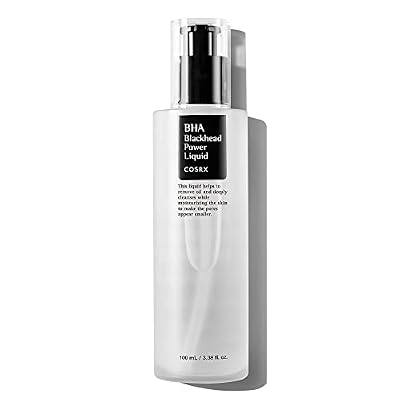
A 4% betaine salicylate liquid built to get into pores and help clear blackheads.

AHA-BHA-PHA 30 Days Miracle Toner
A low-dose AHA, BHA and PHA toner that gently exfoliates blemish-prone skin — where it helps, and why the peppermint oil gives us pause.
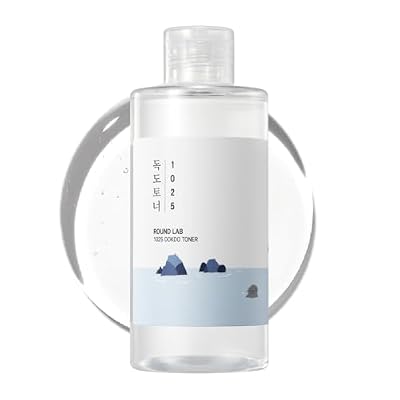
A fragrance-free, alcohol-free toner that rehydrates skin and supports the skin barrier after cleansing.

Revive Eye Serum: Ginseng + Retinal
Retinaldehyde — the most effective over-the-counter retinoid — in a gentle, fragrance-free serum at a remarkable price. About as good as a first retinoid gets.

Glow Deep Serum: Rice + Alpha-Arbutin
Rice and gentle alpha-arbutin for a brighter, more even tone — the Korean serum most routines can start with.
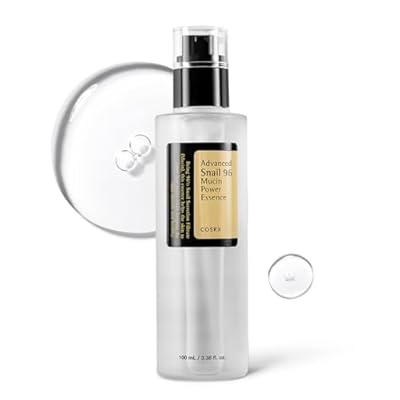
Advanced Snail 96 Mucin Essence
A snail-mucin essence made to add water to tight, dehydrated skin — a sensible first Korean skincare product.
Best of Best Korean toners in Australia
Three Korean toners, each with a different use: one for everyday hydration, one to calm sensitive skin, and one that gently exfoliates. We explain which one to use and who each one suits.


 Best of
 Best Korean retinol and retinal for beginners in Australia
Three Korean retinoids to start on — a gentle retinal, a 0.1% retinol cream for reactive skin, and a stronger retinal for once your skin has settled.


 Best of
 Best Korean spot treatments for breakouts in Australia
Three Korean spot treatments for a breakout — a gentle everyday cream, an overnight drying pick, and an azelaic serum for the marks left behind.

 Best of
 Best Korean serums for dry skin in Australia in 2026
Three Korean serums for skin that runs dry — a featherweight hyaluronic default, a richer birch-sap pick, and a misting serum you can reapply over makeup.


 Best of
 Best Korean pimple patches in Australia
Three Korean pimple patches that earn their place — a do-it-all hydrocolloid, a microneedle patch for spots that haven't surfaced, and a value pick — plus when a patch won't help at all.

 Best of
 Best affordable Korean serums in Australia
Three Korean serums that punch above their price — for glow, dark spots and value.