Korean face masks: sheet, clay and sleeping, and which you need
 By Hannah Reid · Published August 2026 · 9 min read · How we rank
Korea did more than any market to turn the sheet mask into an everyday object — a single-use, serum-soaked sheet sold by the box and cheap enough to use often. Masks now fill a whole step of the Korean routine, and the same sheets, clay pots and overnight jars line Australian shelves. This guide covers the three kinds, what each one does for your skin, which suits which skin type, and — the part most guides skip — when you don't need one at all.
Korean skincare gives masks their own step, and it treats them the way it treats most things: gently, and only when skin asks. That’s the useful frame for the shelf of options in front of you. The three formats do quite different jobs, and once you know which is which, choosing gets simple.
What a mask adds to your routine
A mask is the one step you can skip without your skin noticing. The daily load is carried by cleansing, moisturising and — every morning — sunscreen; a mask sits on top of that as a boost for a particular problem or a particular week. That’s worth saying up front, because masking is the easiest part of a routine to over-buy.
What a mask does well is deliver a concentrated dose of something for a short time. When researchers tested a facial mask on volunteers for a 2025 paper in the Journal of Cosmetic Dermatology, they recorded a sharp jump in skin hydration right after use — the short-term lift a mask is built to give — and, with repeated use over several weeks, a steady drop in water lost through the skin. Whether you need either, and which format delivers it, depends on your skin.
Sheet masks: a quick hydration boost
A sheet mask is a serum-soaked sheet of cotton or hydrogel you lay over your face for fifteen to twenty minutes, then peel off before patting the leftover serum in. What you’re paying for is time: the sheet holds a pool of hydrating serum against the skin and stops it evaporating, so more soaks in than if you had pressed it on by hand. The effect is short-lived. Skin can look plumper and dewier for a day or so. That makes a sheet mask a top-up before an event or after a drying flight, and it won’t fix anything longer-term.
One habit worth unlearning is leaving a sheet mask on too long. Once the sheet begins to dry, it stops giving moisture and starts taking it back, drawing water off your skin as the water held in the sheet evaporates — so take it off while it’s still damp. Fifteen to twenty minutes is the window; an hour, or overnight, works against you.
Wash-off and clay masks: for oily, congested skin
Wash-off masks are the ones you spread on, leave for ten or fifteen minutes, then rinse away. The most useful type here is a clay or charcoal mask: clay is naturally absorbent, so it draws out excess oil and loosens the debris sitting in pores, which is why this is the mask for oily skin, an oily T-zone, or the blackheads that come with congestion. Used once or twice a week, it does the deeper clean a gentle daily cleanser isn’t built for.
The catch is that clay doesn’t know when to stop. Leave it on until it cracks and it keeps pulling — water as well as oil — and dry, tight skin is the result. Rinse it off while it’s still tacky rather than fully hardened, and keep it to the oilier areas if the rest of your face runs dry.
Sleeping masks: an overnight hydration layer
A sleeping mask goes on at the very end of the night, over everything else, and comes off when you cleanse in the morning. What it does is buy time: it’s loaded with humectants — ingredients that attract water and keep it bound in the skin — and, sitting undisturbed for hours, it lets the serums and moisturiser underneath keep working overnight, with less of that moisture escaping into the air than a lighter finish would allow. How rich it feels varies, from a near-weightless gel to a cushioning cream, but the job is the same. It’s the format that earns its keep for Australian skin through a dry winter, or after a run of hot, parching days.
The easiest to live with is a light water-gel. It leans hardest on humectants like glycerin, held in a gel base rather than a rich cream. That lighter design is why a water-gel suits oilier skin better than most sleeping masks. The LANEIGE Water Sleeping Mask is a good example, built on glycerin and trehalose, which makes it an easy first sleeping mask. It’s lightly fragranced, so patch-test first if fragrance bothers your skin. A pea-sized amount covers the face. LANEIGE says it gives a well-rested look the next morning.
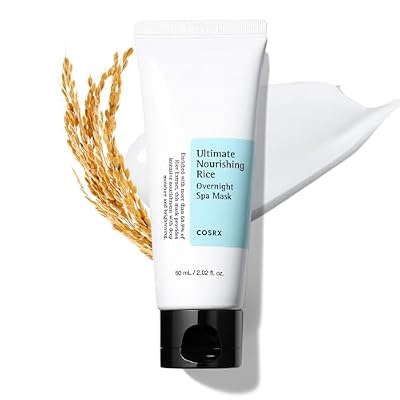
When skin is properly dry — short on oil, rather than just dehydrated, which is a temporary shortage of water — a richer overnight formula does more. The COSRX Rice Overnight Spa Mask is built mostly on rice extract, with a little niacinamide (a form of vitamin B3 that eases redness and evens tone) as a secondary ingredient. It has no added fragrance. COSRX pitches it as an intensely nourishing mask. The richer formula is made for very dry skin that feels tight in winter. It’s a poor match for oily or breakout-prone skin. Keep it for the nights dry skin needs it. To weigh it against a lighter gel and a fragrance-free barrier pick, our best Korean sleeping masks roundup lines all three up.
Whichever you choose, a sleeping mask is a two-or-three-nights-a-week step; if skin feels fine as it is, it gains little from a nightly seal, and a thin layer goes further than a thick one. Reach for it on the nights skin feels tight, and leave it off the nights it doesn’t.
Which mask do you need?
Start from your skin and the choice mostly makes itself. If your skin is oily, or you get blackheads and congestion, a clay or charcoal wash-off mask once or twice a week gives you the deep-clean a daily cleanser can’t — just don’t overdo it, since clay that dries hard pulls water out along with the oil. If your skin runs dry, tight or dull — which a sunny climate and heated indoor air in winter both tend to bring on — a sleeping mask two or three nights a week is the most useful extra, sealing in the layers underneath while you sleep. And a sheet mask suits almost anyone for what it is: an occasional hydration top-up before an event, after a flight, or any week skin looks flat. Combination skin can do both — a clay mask on the oily zones, a sleeping mask when the drier areas need it. The masks category gathers the sheet, clay and sleeping picks we rate.
Where masks fit in your routine
Where a mask goes depends on which one it is. A sheet mask or a wash-off mask sits at the mask step in a Korean routine — after cleansing and your toner or essence, the light, watery hydrating step, and before you seal everything with moisturiser. A sleeping mask is the exception: it goes on last of all, over your moisturiser, as the final thing before bed, and rinses away in the morning.
Whatever the format, a mask is a support step, and two things it can’t do are worth stating plainly. It isn’t a cleanser, so you still cleanse first; and it isn’t sun protection — nothing you rinse off at night stands in for a morning sunscreen. If your skin is comfortable, you can skip masking altogether for weeks and lose nothing. When it isn’t, reach for the format that matches the problem, and give it the couple of times a week it needs to help.