How to build a Korean skincare routine
 By Hannah Reid · Published June 2026 · 9 min read · How we rank
The 'ten-step Korean routine' was never an ancient ritual — the phrase was coined in 2014 to explain K-beauty to the West, but most people get the benefit from just three or four well-chosen steps. The country that gave us the routine is now one of the world's biggest skincare exporters, and these products sit on Australian shelves too. Here's how to build one: the few steps that matter, in the order Korea got right, tuned for our sun.
Get a small core right first, then add the rest only when your skin gives you a reason to. Here’s how to build it, in order.
Start with three steps
If you do nothing else, do these three — cleanse, moisturise, and protect:
- Cleanse once or twice a day with a gentle, low-pH wash, to take off the day without stripping your skin.
- Moisturise to seal in water and keep the skin barrier comfortable.
- Protect every morning with sunscreen — the single step with the strongest evidence behind it.
That’s a complete routine, and plenty of people with good skin never go beyond it. Everything else in Korean skincare is built on top of these three, so if you get a cleanser that doesn’t strip, a moisturiser that suits you, and daily SPF, you’re most of the way there.
Which three you pick matters more than how many you own. A cleanser should leave your skin comfortable rather than tight or squeaky. A moisturiser should match your skin — a light gel-cream if you’re oily or combination, something richer if you’re dry. We’ve built a routine for each — see oily skin, combination skin, sensitive skin, dry skin and acne-prone skin. And the best sunscreen is the one you’ll put on every morning without thinking about it, because the only SPF that protects you is the one you wear.
When you want to do more, there’s a longer list to draw from — and a set order it all goes on.
The ten steps, and the three you need
The classic “Korean routine” is usually written as ten steps. Here’s the whole menu, in the order things go on your face — with the three essentials marked:
- Oil cleanser — evenings only, to melt off sunscreen and makeup
- Water-based cleanser — essential — the gentle wash that cleans skin
- Exfoliant — once or twice a week at most, never every day
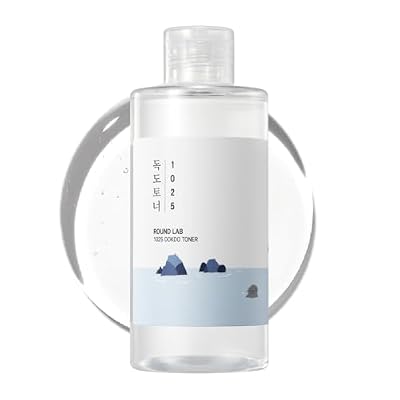
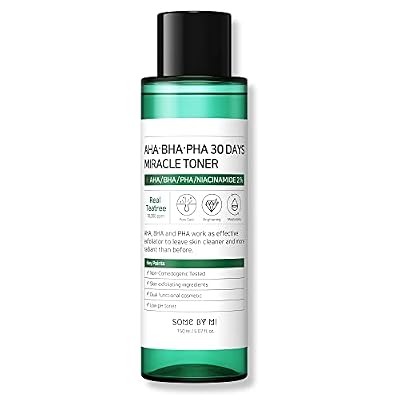
- Toner — a hydrating, low-acid one to prep skin
- Essence — a light, watery layer of hydration
- Serum or treatment — the active that targets a specific concern
- Sheet mask — an occasional ten-minute boost
- Eye cream — if you use one
- Moisturiser — essential — seals everything in
- Sunscreen — essential, mornings only — always the last daytime step
Three of those — cleanse, moisturise, protect — are the core, the ones to keep even on your laziest day. The other seven are optional layers: worth adding when you have a reason, easy to leave out when you don’t. Even in Korea, the full line-up is a menu you pick from rather than a daily checklist.
The order is the part worth remembering, because it holds whether you do four steps or ten: thinnest and most watery first, richest and most occlusive last. A watery essence can’t soak through a layer of cream, but it sinks straight into clean skin — so the light, water-based layers go on first, and each richer layer seals the ones beneath it. Sunscreen goes over everything in the morning because it works as a shield on the surface.
A realistic, very good routine for most people is cleanse → a hydrating toner or essence → moisturiser → SPF, with a treatment serum added when there’s something specific to work on.
Morning versus night
The two routines do different jobs.
In the morning, you’re protecting. Keep it light — a gentle cleanse (or just water if your skin is dry or sensitive), your hydrating layers, moisturiser, then sunscreen. Save anything heavy or potentially sensitising for the evening.
At night, you’re cleaning off and repairing. If you’ve worn sunscreen or makeup — and in Australia you should be wearing sunscreen — start with an oil cleanse to take it off, then a gentle water-based wash. Night is also when treatment actives belong, especially retinoids, which make skin more sun-sensitive and are best kept well away from daylight — which is exactly why daily sunscreen isn’t optional once you’re using one.
Adding the treatment steps
That list is the order things go on; this is the order to bring them in. Once the core three are a habit, add the optional steps one at a time, gentlest first:
- A hydrating toner or essence is the easiest first add — a light layer of water and soothing ingredients that suits almost everyone.
- A serum comes next, once you know the concern you want to treat — evening tone, fading marks, smoothing texture. Our best affordable Korean serums shows what the common actives do.
- A retinoid — retinol, or the one-step retinal — is the one to add last. The prescription version is the best-evidenced anti-ageing treatment there is, second only to the sunscreen you already wear; the over-the-counter versions are gentler and less proven. Our best Korean retinol and retinal for beginners shows where to start.
The rule that matters when you add actives: introduce them one at a time, and slowly. Start a new active two or three nights a week, give it a few weeks before you judge it, and never layer three new things on at once — if your skin reacts, you want to know which one to blame. Test anything new on a small patch first, and back off at the first sign of tightness, redness or flaking instead of pushing on. Stacking actives and driving them harder is the fastest way to a damaged barrier — and a stripped, reactive barrier undoes everything the rest of the routine is for.
The Australian asterisk
Most of this is the same wherever you live. One part isn’t: sunscreen matters more here, and it’s the step to get right first.
Australia has some of the highest UV levels in the world, and daily sun protection is the best-evidenced anti-ageing step there is — ahead of any serum. In a landmark Australian trial in the Annals of Internal Medicine, adults who used sunscreen every day showed about 24% less skin photoageing — the sun-driven kind — over four and a half years than those who used it only when they felt like it. Nothing else in this guide comes close to that.
There’s a catch worth knowing if you’re buying Korean SPF specifically: a lot of cult Korean sunscreens aren’t listed on the Australian Register of Therapeutic Goods, so their SPF hasn’t been checked against the Australian standard. The number on the bottle is the brand’s own figure. Our sunscreen guide explains what that means. And if you’re unsure where sunscreen fits in your morning order — after your moisturiser, not before — the full answer is here.
The most common mistakes
- Collecting steps you don’t need. Buying products to hit a number is how routines fall apart. The ten steps are there if you want them; a tighter routine you actually keep up will do more for your skin.
- Adding too many actives at once, or exfoliating every day. The barrier can only take so much, and over-treating it causes the redness and sensitivity people then try to fix with even more product.
- Treating sunscreen as occasional. It belongs in your morning routine every day, indoors and in winter included.
- Not giving things time. Most actives take weeks to show results. Overhauling your routine every fortnight means you never learn what works.
- Copying someone else’s shelf. The right routine is the one that suits your skin and that you’ll keep up. Length is beside the point.
Where to start
Building from scratch, start with the Cleanse and Moisturise steps and a sunscreen, and add a hydrating toner or a treatment serum when you’re ready. You can walk the whole thing step by step on our routine page, and when you want to go past the daily basics — eye care, exfoliants, spot treatments — those live under targeted treatments.
Start with the three steps above and stay there for a month. Add a fourth only when your skin has given you a reason to, and you’ll know what the reason was.