A Korean skincare routine for combination skin
 By Hannah Reid · Published June 2026 · 8 min read · How we rank
Most people don't have oily skin or dry skin so much as both at once — a shiny forehead and nose over cheeks that feel tight, the pattern we call combination. Stripping everything makes one zone worse while you fix the other, which is where the Korean approach of layering gentle, watery hydration helps: you build it up where the skin is dry and keep it light where it isn't. Here's how to put that into a routine — the gentle base both zones share, where to add hydration, and how to handle the oily middle and drier cheeks differently.
Combination skin is two skins sharing a face: an oily strip down the middle and cheeks that run normal to dry. It’s the skin type the Korean routine suits especially well, because building up thin, gentle layers lets you treat each zone for what it needs while starting from one shared base. Here’s how that goes together.
Two zones on one face
Combination skin comes down to geography. The T-zone — your forehead, nose and chin — sits over a much higher concentration of oil glands than your cheeks, so it produces more sebum, the skin’s own oil, and turns shiny sooner. A 2019 paper in Annals of Dermatology measured this directly and found T-zone sebum levels ran higher than the cheeks in both the patient and control groups it tested. The cheeks, with fewer glands, are left drier — sometimes tight or flaky — while the middle stays oily. That split is why a single, uniform routine struggles here: dial it for the oily zone and the cheeks suffer; dial it for the cheeks and the middle turns greasy.
A gentle base both zones share
Whatever you do for the zones one at a time sits on top of the same three steps — cleanse, hydrate, protect — kept gentle enough for the dry cheeks and light enough for the oily middle. Get these right and combination skin tends to settle:
- Cleanse with one mild, low-pH wash, gentle enough for the cheeks and thorough enough for the T-zone.
- Hydrate with a watery, buildable layer you can apply more of where the skin is dry.
- Protect every morning with a light sunscreen that won’t sit heavy on the oily zone.
The cleanser has to keep two zones happy at once, which is how combination skin ends up over-corrected: reach for a strong foaming wash to tackle the oily middle and you scour the cheeks at the same time. A low-pH gel cleanser sidesteps that. Tuned to the skin’s own mild acidity instead of the alkaline strip of a foaming bar, it’s built to lift the oil and sunscreen the T-zone collects without leaving the cheeks tight — so one wash, morning and night, does the whole face. The best cleansers for oily and combination skin are all built on that low-pH approach.
Everything that follows is about hydration, and where you put it.
Layer hydration where the cheeks are dry
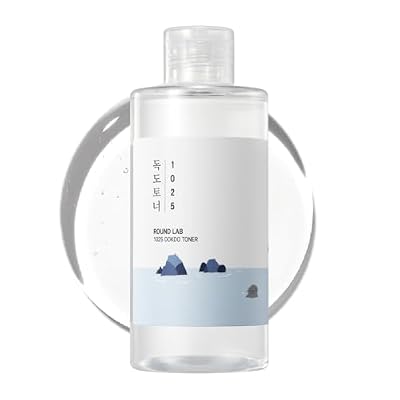
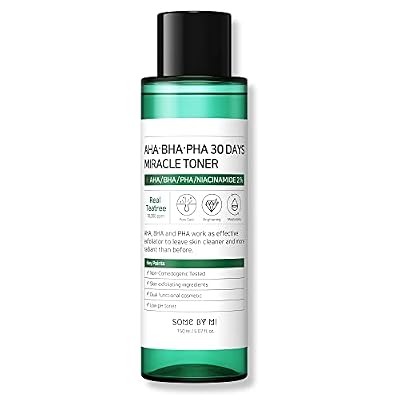
Hydration is the heart of a combination routine, and where Korean layering does the most work. Instead of asking one moisturiser to meet two needs, you add thin, watery layers of hydration and use more of them where the skin is dry. A hydrating toner is the easy first layer — press it into the cheeks two or three times, give the T-zone a single light pass, and you’ve matched the product to the zone without owning two of everything.
After the toner, a light essence goes a step further. An essence is a thin, water-based layer of humectants — ingredients that pull water into the skin and hold it there — so it tops up hydration without the weight of a cream. On combination skin, the cheeks need more essence than the T-zone. Press a couple of layers into the dry cheeks, and give the oily middle one light layer.
All of this follows the thin-to-thick order every Korean routine uses, lightest and most watery layers first. The combination tweak is purely in the count: more of those watery layers on the cheeks, fewer over the T-zone. If you want to add a treatment serum on top, our affordable Korean serums walks through what the common actives do and which concern each one suits.
Moisturise by zone
Moisturiser is where the two zones part ways most clearly. The cheeks may want a proper layer of cream; the T-zone usually wants very little. The simplest approach is one light gel-cream across the whole face, then a second, richer pass on the cheeks only if they still feel tight — layering the moisturiser by zone, which beats hunting for one cream that suits both at once. A light gel-cream is the safe default for the middle: enough water to keep the skin barrier — the layer that stops moisture escaping — comfortable, without the heavy oils that leave an oily zone looking greasy by midday.
Sunscreen, the same across both zones
For combination skin, sunscreen is the step that stops being complicated: the whole face needs it every morning, T-zone and cheeks alike, and the only thing to match to your skin is how the formula feels. A light gel or fluid sits well on the oily middle and still covers the drier cheeks; a thick, heavy one is what tempts people to leave the shiny zone bare.
There’s one caveat specific to Korean sunscreens: many of the cult ones aren’t on the Australian Register of Therapeutic Goods, the listing a sunscreen needs before it can be sold here as therapeutic sun protection — and that listing requires its SPF to be backed by testing to our national standard. An unlisted one isn’t off-limits, but the number on the label is the maker’s own claim rather than a figure verified here, so the TGA’s sunscreen rules are worth a read, and our sunscreen guide goes further before you buy.
The combination-skin mistakes
- One product for the whole face. A single cleanser is fine; a single everything is not. The zones have different needs, and treating them as one holds combination skin back.
- Stripping the T-zone to kill shine. Harsh washes and alcohol toners degrease the middle for an hour, then leave the cheeks tight and the oily zone rebounding. Gentle and layered lasts longer.
- Treating shine as a reason to skip moisturiser. The shine is only the T-zone; the cheeks are still short of water. Lighten the layer over the middle instead of dropping it.
- Piling rich cream everywhere. A heavy moisturiser that suits the cheeks sits greasy on the T-zone and can clog it. Match the weight to the zone.
- Forgetting that the cheeks shift with the seasons. Combination skin moves — oilier in summer humidity, drier through winter. Adjust how much you layer instead of overhauling the routine.
Where to start
If you’re starting from scratch, the order is a gentle low-pH cleanser the whole face can share, a hydrating toner you layer more heavily on the cheeks, then a light moisturiser and a daily sunscreen. Get that base steady before you fine-tune — from there you can borrow from the oily-skin routine for the T-zone and go richer on the cheeks only when they ask for it. Everything gathered for your skin type sits on the combination skin page.