A Korean skincare routine for oily skin
 By Hannah Reid · Published June 2026 · 8 min read · How we rank
The instinct with oily skin is to strip it — strong foaming washes, astringent toners, skipping moisturiser — and Korean skincare made its name doing close to the opposite: cleanse gently, layer in lightweight water, and let a few well-chosen actives slowly calm oil and keep pores clearer. A light, layered routine like this suits Australia, where the heat and humidity that bring skin out in shine also mean a routine has to be light enough to wear every day. Here's how to build one for oily skin — the steps that matter, the textures to look for, and the actives worth adding.
Oily skin usually comes down to one thing: skin producing more oil than it needs. Korean skincare treats it at that root — calm the skin down and keep it hydrated, and oil production tends to ease; scrubbing the oil off only restarts the cycle. Here’s how to put that into a routine.
Start with a gentle core
The same core three that anchors any Korean routine works for oily skin — cleanse, hydrate, protect — with the textures dialled lighter. Get these right and you have a real routine before you add anything else:
- Cleanse with a gentle, low-pH gel wash that lifts off oil and sunscreen without leaving skin tight or squeaky.
- Hydrate with a lightweight, water-based layer, so the skin isn’t short of water and prompted to make up the difference in oil.
- Protect every morning with a sunscreen that sits light on the skin.
The cleanser is the step oily skin gets wrong most often. A wash that leaves your face feeling stripped and squeaky has taken off more than the day’s oil — it has disrupted the skin barrier, the outer layer that holds water in, and skin often answers a stripped barrier by making more oil. A low-pH gel cleanser is built to avoid that: it cleans at a pH close to the skin’s own, so it lifts away oil and grime without the high-pH stripping that disrupts the barrier — leaving that water-holding layer intact. Used morning and night, it’s the quiet workhorse of an oily routine. For the full shortlist beyond the pick above, see our roundup of the best Korean cleansers for oily skin.
Why stripping backfires
It feels logical to fight oil with the strongest cleanser you can find, an astringent toner and no moisturiser. In practice that’s the fastest way to oilier, patchier skin. Strip the barrier and skin loses water through the gaps, reads the dryness as a problem, and tends to make more oil to compensate — so you can end up shiny and tight at once. This is the loop a gentle routine is designed to break.
Oily skin that’s been over-washed is often dehydrated underneath — greasy on the surface and tight below it. Giving it water back helps bring the shine down.
So oily skin keeps a moisturiser; it just keeps a light one. A thin gel or gel-cream gives the skin the water it’s short of, without the heavy oils and butters that sit greasy on an oily face. Skip this step and you’re not removing oil, you’re asking your skin to make more of it.
The actives that earn their place
Past the core three, two actives do the most for oily skin, and both ask for patience rather than strength.
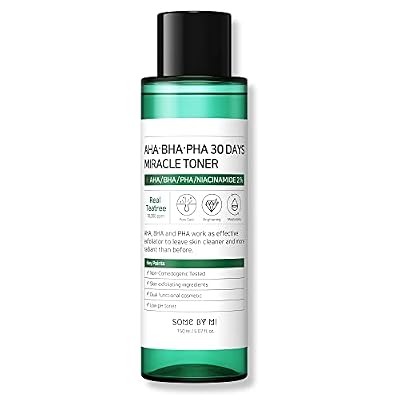
Niacinamide — a form of vitamin B3 — is the first one to look for. It helps even out tone and reinforce the skin barrier, and there’s research behind it for oil specifically: a 2006 trial in the Journal of Cosmetic and Laser Therapy found that topical 2% niacinamide can help bring the skin’s oil levels down, with both groups it tested showing a significant drop in a measure of sebum. It’s gentle enough for daily use and sits easily under the rest of a routine, which is why it turns up in so many Korean serums and toners.
A light treatment serum is the natural home for it. You don’t need a shelf of them — one well-chosen, lightweight serum in this step is plenty, layered after your hydrating step and before moisturiser. Our pick of affordable Korean serums walks through the common actives if you want to match one to your main concern.
The second active is a BHA — beta-hydroxy acid, almost always salicylic acid. It’s oil-soluble, so it can get into a pore and lift out the oil and dead skin that collect there. Those clogged pores are what give oily skin its bumpy, congested look, so clearing them out helps the skin look smoother. A BHA is a once or twice a week job rather than a daily one — these exfoliants and other targeted extras sit outside the core routine, under treatments. Overdoing it strips the barrier all over again, so ease it in and see how your skin responds.
Keep the textures light
The single rule that makes a routine work for oily skin is to choose by texture. Thinner, more watery formulas first, lightest moisturiser you can get away with, nothing rich unless a patch of skin needs it.
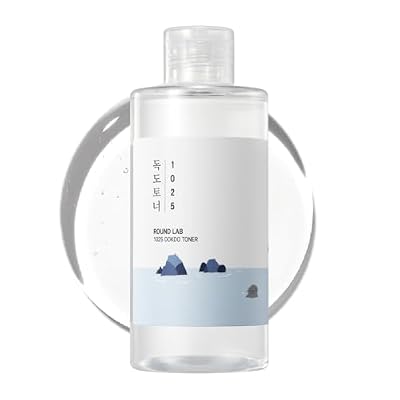
A hydrating toner is an easy first layer here — a splash of lightweight water and soothing ingredients that preps the skin without the sting of an old-style astringent. After that, a watery essence or a light serum, then a gel or gel-cream to seal it. The order is the same thin-to-thick layering the whole Korean routine runs on; for oily skin you’re just keeping every layer at the lighter end. If your skin runs oily in the T-zone and drier on the cheeks, you can also go lighter in the middle and a touch richer where it’s dry — the combination approach — rather than treating the whole face as one.
Sunscreen, the step to get right
Sunscreen is the one step you can’t trade down, and it’s the one oily skin most often abandons because the wrong formula feels heavy or greasy by lunchtime. The fix is to change the formula rather than skip the step: lightweight gel and fluid sunscreens, the kind Korean brands are known for, are far easier to wear daily on oily skin.
One thing to weigh if you’ve got your eye on a Korean SPF: a fair few never went onto the TGA’s Register of Therapeutic Goods, the listing a sunscreen needs before its SPF is checked against Australian standards. If a sunscreen isn’t on the register, its SPF number is the maker’s own claim. Our sunscreen guide walks through what that means before you buy. Whichever you land on, apply it generously each morning and top it up through the day.
The mistakes that keep skin oily
- Over-washing. Cleansing three or four times a day, or scrubbing until you squeak, strips the barrier and pushes oil up. Twice a day with a gentle cleanser is the ceiling for most people.
- Skipping moisturiser. The most common oily-skin mistake. A light hydrator calms oil; going without tends to drive it.
- Reaching only for alcohol and clay. A mattifying hit feels good for an hour, then the tightness rebounds. Lightweight hydration lasts longer.
- Exfoliating every day. A BHA is powerful and slow-acting; daily use irritates more than it clears. Once or twice a week is plenty.
- Dropping sunscreen because it feels heavy. That’s a sign to change the sunscreen rather than go without it.
Where to start
Build from the Cleanse step with a low-pH gel wash, add a light hydrating layer and a sunscreen you’ll wear every day, and bring in a niacinamide serum and a weekly BHA once those three are a habit. You can see everything that suits oily skin gathered on the oily skin page.