A Korean skincare routine for sensitive skin
 By Hannah Reid · Published July 2026 · 10 min read · How we rank
The usual advice for sensitive skin is to do less, and Korean skincare turned that into a whole category — the 'cica' creams named after Centella asiatica, a tiger-grass extract that Korean brands turned into a soothing-skincare staple. The thinking is barrier-first: calm the skin and shore up its outer layer instead of pushing strong actives at it, and a lot of the reactivity settles. It suits Australia, where sun, heat and constant air-conditioning all wear at a fragile barrier. This guide covers the short routine sensitive skin does best on, the ingredients that soothe it, and what to leave out.
Korean skincare is known for long routines, but the part that matters for sensitive skin is its habit of going gentle: cleaning softly and calming the skin before reaching for anything stronger. That is what makes so much of the Korean shelf suit reactive skin. Here’s what sensitive skin is doing, and how to build a calm routine around it.
What sensitive skin is telling you
Sensitive skin usually comes back to the barrier — the outer layer of skin that keeps water in and irritants out. When that layer is weakened, water escapes through the gaps and irritants get in more easily, so skin stings, flushes and reacts to things that wouldn’t normally bother it. Get the barrier comfortable again and most of that settles down.
It helps to know which kind you’re dealing with. Some skin is naturally reactive and always has been. Other skin is sensitised — worn down over time by scrubbing, daily exfoliating, or too many strong actives at once — and was fine before. The routine is much the same either way: calm the skin down, and stop adding to the problem. The difference is that sensitised skin often recovers once you back off, while naturally reactive skin needs the gentle approach kept up for good.
Keep the routine short
The Korean routine can run to ten steps, but sensitive skin wants the short version. Every product you put on is something that can react, so the fewer you use while your skin is unsettled, the easier it is to keep calm and to spot what agrees with it. A core three does almost all the work:
- Cleanse once or twice a day with a gentle, low-pH gel wash.
- Soothe and hydrate with a calming toner or essence, and a light moisturiser.
- Protect every morning with a sunscreen that won’t sting.
For sensitive skin, cleansing does the most harm when it’s too harsh. Skin sits at a slightly acidic pH, and a strong foaming wash pushes it alkaline — that shift is what leaves skin feeling tight and squeaky, and a reactive face answers it with stinging and redness. A low-pH gel wash keeps things near the skin’s own acidity, clearing oil, grime and the day’s sunscreen while leaving the barrier intact. Morning and night is fine — or just at night, with a plain water splash in the morning if your skin runs dry — and it becomes the quiet base everything else sits on. If you wear sunscreen or makeup, a soft oil cleanser first makes the wash-off gentler; our double-cleansing guide covers when that’s worth it.
The soothing ingredients worth knowing
Past the core three, the ingredients that help sensitive skin are the calming ones, not the strong ones. The one to know first is centella asiatica — a plant extract sold in skincare as “cica”, used to ease redness and support the barrier. A 2025 study of Chinese women with sensitive skin tracked a cream built around centella, alongside ceramide and panthenol, and over four weeks the group reported far less skin sensitivity and lost less water through the barrier. It was small, with a single group and no comparison arm, so treat it as a promising early result and no more — but centella has a long, consistent track record for calming skin, which is why it anchors so many Korean soothing lines.
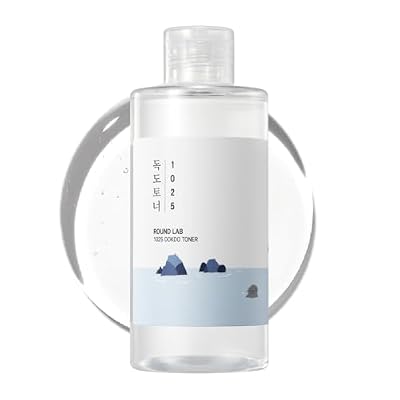
Heartleaf — Houttuynia cordata, a plant extract Korean brands made a soothing staple — does a similar job, and a hydrating heartleaf toner is a gentle way to open the layering. Smooth a little into damp skin after cleansing and give it a moment to sink in before the next step. Our heartleaf guide goes into what the extract does and how it’s used, if you want the detail. The point for a sensitive routine is that a toner like this adds water and a calming ingredient without asking the skin to do anything — no acids, no heat, nothing to react to.
Layering that soothes
A light essence is the next layer worth adding. Snail mucin — the filtrate snails secrete — is a natural humectant, meaning it holds water against the skin, and it soothes while it hydrates, with no fragrance or strong actives in the way. Press it in between the toner and your moisturiser. Sensitive skin tends to do well with this kind of quiet layering: a couple of thin, watery layers that build up hydration gently, working from the lightest textures up to the richest — the order every Korean routine follows. Finish with a simple moisturiser to seal it in. One built on panthenol (a form of vitamin B5 that holds water in the skin) or ceramides (the fat-like molecules that make up much of the barrier itself) is a safe pick; skip anything heavily fragranced. You don’t need a serum stacked on top while your skin is unsettled — the hydrating layers and a good moisturiser carry a sensitive routine on their own.
What sensitive skin doesn’t need
Half of a sensitive routine is what you take out. The main one is added fragrance. It’s a common enough cause of reactions that a 2020 review in Dermatologic Clinics puts positive fragrance results in patch-tested patients at 5 to 11 per cent, against 0.7 to 2.6 per cent across the general population — so if your skin flares and you can’t work out why, an added scent is the first thing to cut. Essential oils count here too: they’re a natural source of fragrance, and just as able to set skin off. Then there’s the rest of the list worth leaving out while skin is reactive:
- Drying alcohol high on an ingredient list (listed as alcohol denat. or SD alcohol) — the astringent kind that leaves skin tight; the fatty alcohols like cetyl or stearyl are harmless and don’t count.
- Physical scrubs and rough exfoliating pads, which abrade an already fragile barrier.
- Strong acids and retinoids stacked all at once. One gentle active, introduced slowly, is manageable; three at full strength is what sensitises skin in the first place. These live outside the core routine anyway, under treatments, and sensitive skin should add them carefully or not at all.
- Very hot water, which flushes and dries the skin — lukewarm is kinder.
Whenever you do try something new, patch-test it first: a little on the inner arm or along the jaw for a few days, before it goes near the whole face. And add one product at a time, a week or two apart, so if something reacts you know exactly which one it was. Change five things at once and a flare tells you nothing.
Sunscreen for sensitive skin
Sunscreen stays a daily step — sensitive skin included — because UV itself drives the redness and barrier damage you’re trying to head off. For a formula, look for a light, fragrance-free sunscreen; if chemical filters sting your skin, a mineral one (zinc oxide or titanium dioxide) is often calmer. Korean brands make some of the lightest daily textures going.
One thing to check before you buy a Korean SPF: most of the cult ones aren’t listed on the TGA’s Register of Therapeutic Goods — the step that would put their SPF through Australian-standard testing before it’s sold here as sun protection — because they come in by personal import. If a sunscreen isn’t on the register, its SPF number comes from the brand and hasn’t been checked here. Our sunscreen guide covers what that means for you. Patch-test whichever you pick and apply it generously each morning.
The mistakes that keep skin flaring
- Reacting to a flare with more products. When skin is angry the instinct is to add a treatment; the fix is usually to strip the routine back to cleanser, moisturiser and sunscreen until it settles.
- Chasing actives too fast. A new acid, a retinoid and a vitamin C in the same week gives skin no chance to adjust, and no way to tell which one it hated.
- Washing too much. Cleansing more than twice a day, or working at the skin to get it properly clean, sets back the barrier you’re trying to settle.
- Switching products constantly. Sensitive skin rewards patience — give a gentle routine a few weeks before you judge it, rather than swapping at the first quiet day.
- Skipping the patch test. It takes a few days and saves a full-face reaction to something you could have caught on your arm.
Where to start
Start with a gentle low-pH cleanser, a soothing hydrating layer and a simple moisturiser, and a light sunscreen each morning — then give it a few weeks before you change anything. For a shortlist of gentle washes to begin with, our best Korean cleansers for sensitive skin has three picks. And the sensitive skin page pulls together the reviews and guides we’ve tagged for reactive skin, when you’re ready to go further.