Where does sunscreen go in a Korean skincare routine?
 By Hannah Reid · Published July 2026 · 7 min read · How we rank
Korean skincare turned sunscreen from a chore into the last light layer of a routine: watery, fast-sinking textures you'll actually reapply, which is what daily SPF really comes down to. Sunscreen only protects the skin it covers, and the most common question about it has a simple answer: it goes on after your moisturiser, as the final step of the morning. Here's where sunscreen fits in a Korean routine, how much to use under Australia's sun, and how to top it up through the day without disturbing everything underneath.
Korean skincare is built on layering, and sunscreen is where a lot of people lose track of the order. The Korean routine runs from the lightest, most watery product to the richest, and sunscreen sits right at the end of that line in the morning. Where it lands in the routine is easy to get wrong, and because sunscreen is the step doing the actual protecting, putting it in the wrong place means it can’t do its job.
The short answer: sunscreen goes on last
In the morning, sunscreen is the final step of your skincare — it goes on after your moisturiser, over the top of everything else. Whatever your routine looks like, cleanser through to moisturiser goes on first, then sunscreen sits on top as the last thing before makeup (if you wear it).
The reason is in how sunscreen works. It sits on the outermost layer of skin and filters or scatters UV before it can get in. Smear a moisturiser over the top and you disturb that thin film and spread it thinner, so it no longer covers the skin evenly. That’s why sunscreen is the step that goes on top.
The morning order, step by step
Korean routines layer in one direction — the lightest, most watery products first and the heavier creams last. Each step has to reach the skin to do anything, so a thin water-based layer goes on before a cream seals over the top of it. Sunscreen is the exception: it goes on over that seal, because it guards the surface instead of soaking in like the steps below it.
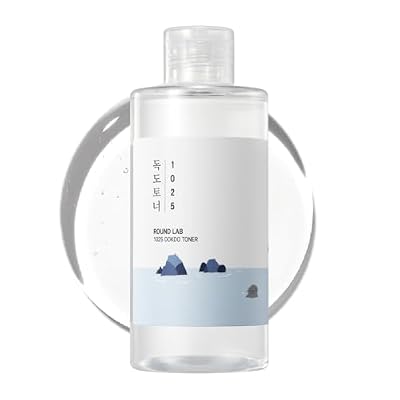
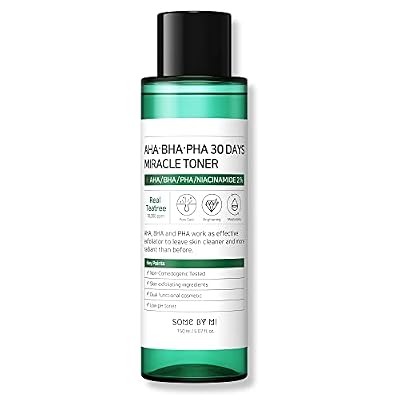
A realistic morning runs cleanse, then a hydrating layer or two, then moisturiser, then sunscreen. A hydrating toner is the usual first layer after cleansing — a light, watery layer of soothing ingredients that preps the skin. An essence or a light serum can follow if you use them. These are the watery steps that have to go on early, while the skin is bare, because nothing soaks through a layer of cream. You can walk the full sequence on our routine page; the short version is that everything before sunscreen is there to hydrate and treat, and sunscreen is there to protect what’s underneath.
After your moisturiser — give it a minute
Moisturiser is the second-to-last step: it seals in the water from your earlier layers and keeps the skin barrier comfortable. Sunscreen then goes on over it.
The one thing worth doing between the two is waiting. Give your moisturiser a minute or two to sink in before the sunscreen goes on, so it lands on settled skin rather than a slick of half-absorbed cream — sunscreen over wet moisturiser can pill, slide and go on patchy. A minute is usually enough.
How much to use, and reapplying through the day
You’ve got the order right; using enough matters just as much, and it’s where most people fall short. Cancer Council Australia’s advice on applying sunscreen says an adult needs at least seven teaspoons to cover the whole body, including at least a teaspoon for the face, neck and ears. That is far more than the thin smear most people manage. Apply too little and a high SPF on the bottle gives you much less protection than the number suggests.
The same advice is clear on timing: put it on about 20 minutes before you head outside, and reapply every two hours when you’re out in the sun, plus straight after swimming, sweating or towel-drying. Reapplying is the part a skincare routine makes awkward, because by mid-morning you’ve got makeup or a full face of product in the way. This is where a light Korean-style sunscreen earns its place — a thin, fast-sinking formula is easier to reapply around midday without it turning heavy or greasy. If your skin runs oily and heavy textures put you off reapplying, our routine for oily skin runs through the lighter formulas that help.
The Australian rule that sits on top of all this
One thing to weigh before you settle on a Korean sunscreen here: many cult Korean SPFs aren’t on the Australian Register of Therapeutic Goods. In Australia, sunscreen sold for sun protection is regulated as a therapeutic good by the TGA, and generally has to be included on the ARTG and meet the Australian and New Zealand sunscreen standard before it can be sold as one — the details are in the TGA’s guidance on sunscreen regulation. A lot of Korean sunscreens were never submitted for that, so their SPF is tested by Korean methods and never assessed against the Australian standard. On an unlisted sunscreen, the SPF on the label is the maker’s own claim. Our sunscreen guide covers what ARTG listing means and how to check a product’s status.
The mistakes that undo your SPF
- Putting it under your moisturiser. Sunscreen is the last step; a cream over the top disturbs the film it’s meant to form on the surface.
- Using too little. A thin smear can leave you with a fraction of the protection the number promises. Aim for the amounts above.
- Skipping the reapply. One morning coat is worn down by sweat, touch and time. Two hours is the guide when you’re out in it.
- Rushing it on over wet moisturiser. Straight over a just-applied cream it can pill or slide. A short wait fixes it.
- Treating it as occasional. It’s a daily step — UV is still around through winter and on overcast days, and it reaches you through windows.
Where to start
Building a routine from scratch, the order is the part to lock in first — the rest is just picking a hydrating layer, a moisturiser and a sunscreen that suit your skin, in that sequence, with SPF always going on last. If your skin sits somewhere between oily and dry, the combination-skin routine shows how to keep every layer light where it needs to be.