What SPF and PA ratings mean on a Korean sunscreen label
 By Hannah Reid · Published August 2026 · 9 min read · How we rank
Korean sunscreen won its following on feel, but its labels carry something most Australian bottles don't: alongside the SPF number sits a PA rating, written as plus signs from PA+ to PA++++. The two aren't measuring the same thing — SPF covers the UVB rays that burn, while PA grades the UVA rays that age skin and drive pigmentation. Here's what each number means, why you want both, and what Australia's own labels show in place of PA.
Pick up a Korean sunscreen and you’ll usually find two ratings on the front: an SPF number, and a row of plus signs after the letters PA. Australian sunscreens show the SPF but not the PA, so that second one throws a lot of people. Both are telling you something worth knowing, and they’re measuring two different kinds of ultraviolet.
Two numbers, two kinds of UV
Sunlight reaches your skin as two bands of ultraviolet that matter here. UVB is the shorter, stronger band — it’s what reddens and burns skin, and it does most of its damage at the surface. UVA is the longer band. It’s weaker at burning but reaches deeper into the skin, and it’s the one tied to ageing, loss of firmness and pigmentation. It’s also steadier through the day than UVB and passes through glass, so it reaches you in the car and through a window, on ordinary days as much as at the beach. A sunscreen that handled UVB alone would leave the ageing rays to get on with it. The two ratings on a Korean bottle exist because each number covers one of these bands.
What the SPF number means
SPF — sun protection factor — is the UVB rating. It’s a measure of how much longer protected skin can take UVB before it burns, set against bare skin. The jump from a middling number to a high one is smaller than it looks: SPF 30 filters roughly 97% of UVB, and SPF 50 around 98%. Past that the gains shrink to almost nothing, which is why Australia won’t let a label claim more than SPF 50+ — a measured SPF of 60 and a measured SPF of 100 both reach the shelf as “50+”. For daily wear, SPF 50+ is the ceiling worth reaching for; a larger number on the front is marketing more than meaningful cover.
What PA and the plus signs mean
PA is the UVA rating, and it’s where a Korean label parts ways with ours. It grades how well a sunscreen holds off UVA, using a test that measures how long UVA takes to darken the skin — the persistent pigment darkening method. The scale is written in plus signs: PA+ is some UVA protection, PA++ is moderate, PA+++ is high, and PA++++ is the top grade, recognised in 2013. The system was developed by the Japan Cosmetic Industry Association and is now standard across Japanese and Korean sunscreens, which is why it turns up on a Korean bottle and not an Australian one. More pluses means more of the ageing band held off. Under a strong sun, PA+++ or PA++++ is the range to look for.
Why you want both numbers high
The two ratings expose a gap: a high SPF doesn’t promise strong UVA cover. The two are measured separately, and a sunscreen can post a big SPF while doing much less against UVA. That gap is the whole reason the second rating exists — so a high SPF can’t quietly stand in for protection it isn’t giving. On a Korean label the pairing to look for is SPF 50+ alongside PA++++: the most UVB cover the system allows, next to the strongest UVA grade. One high number on its own only covers one band.
Getting the rating you paid for
A rating is a lab result under ideal conditions, and real skin rarely matches the lab. The tests lay down a thick, even film — about two milligrams per square centimetre — and most people apply a fraction of that, which drops the real protection well below the number on the bottle. On the amount, Cancer Council Australia is specific: at least a teaspoon for the face, neck and ears, and at least seven teaspoons to cover the body, topped up every two hours in the sun and after a swim or a sweat.
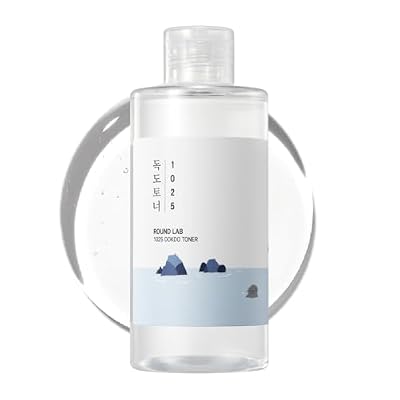
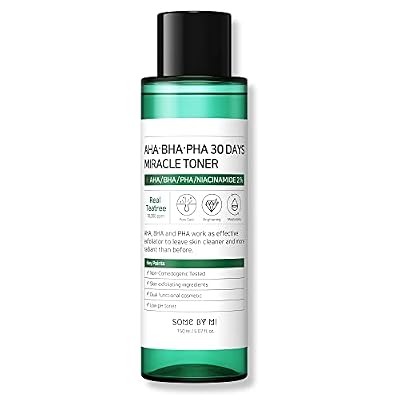
Even coverage is easier over a smooth, hydrated base than over dry or flaky skin, where sunscreen can drag and skip. A light hydrating toner after cleansing helps hydrate the skin first. A watery toner is built to absorb quickly and leave little film behind, so it shouldn’t disturb the SPF that goes on later. Sunscreen laid over settled skin tends to go on in a more even coat.
A light moisturiser is the last layer before sunscreen, so the state it’s in shapes how evenly the SPF sits. Spread over cream that hasn’t sunk in yet, sunscreen can bead and streak instead of covering cleanly — and patchy cover is lost protection, whatever the number claims. Give a gel or lightweight cream a moment to settle, then lay the sunscreen over skin that’s hydrated but no longer tacky. That’s the even coat the rating assumes, and about the closest most of us get to the lab film in a real morning. The number is still a claim even when you apply it well: when CHOICE tested twenty popular sunscreens in 2025, sixteen came back under their labelled SPF.
The Australian label, and what’s missing
Australia doesn’t use the PA system at all. Here, a sunscreen that passes the UVA test under the Australian and New Zealand standard earns the words “broad spectrum” on the label — that phrase is our version of a UVA grade, a single pass-or-fail mark where PA gives you a scale of pluses. So the pairing to look for on an Australian bottle is “broad spectrum” next to SPF 50+, where on a Korean one it’s PA++++ next to SPF 50+.
There’s a second, larger difference, and it’s specific to buying here. A lot of the Korean sunscreens people want most were never submitted for listing on the therapeutic-goods register (the ARTG), so they sit outside that system — their SPF and PA come from overseas labs the TGA has never reviewed. Both numbers are the maker’s word, unchecked against the local standard. For the sunscreen you actually rely on every day — and in Australia, where skin-cancer rates are the highest in the world, that matters — the safer base is one that carries the local mark: an ARTG-listed, AS/NZS 2604 broad-spectrum SPF50 or 50+, the kind Cancer Council recommends as an everyday sunscreen. If you also wear an unlisted Korean SPF, use it on top of an ARTG-listed one. What that listing status means, and how to look a product up, is in our sunscreen guide; the sunscreen category gathers the ones we’ve written about.
What to check on the bottle
- SPF 50+ — the highest UVB rating worth looking for. A bigger claimed number isn’t allowed here, and adds little in practice.
- PA+++ or PA++++ on a Korean label — strong UVA cover. On an Australian label, look for the words “broad spectrum” in its place.
- Look for both — a high SPF with a low or missing UVA rating still lets the ageing rays through.
- Enough of it — at least a teaspoon for the face, neck and ears, reapplied every two hours outdoors, or the ratings don’t hold up.
- ARTG status, if it matters to you — many Korean sunscreens aren’t listed here; the sunscreen guide above shows how to check.
Where this leaves you
So the label is telling you about two different bands of UV — SPF for the one that burns, PA for the one that ages. On a Korean sunscreen you want SPF 50+ PA++++, and then you want to actually wear it every morning, in the quantity the rating was measured at, which is more than most people apply. And no single bottle is the whole job — the standard Australian advice is to treat sunscreen as one layer alongside shade, a hat, covering clothing and sunglasses (slip, slop, slap, seek, slide), never the only line of defence. Where sunscreen fits among your other steps is a separate question, and we walk through it in where sunscreen goes in a Korean routine. Building the whole thing from scratch, start with the Korean skincare routine and add a hydrating layer underneath.