Chemical vs mineral filters in a Korean sunscreen, and white cast
 By Hannah Reid · Published September 2026 · 9 min read · How we rank
Pick up two Korean sunscreens and one will disappear into your skin while the other leaves you faintly grey. The difference is the filter. Every sunscreen works one of two ways: chemical filters that soak up UV, or mineral ones built on zinc and titanium. That split explains most of what you notice when you wear it. Here is how the two families differ, which suits your skin, and the separate question of whether the bottle is cleared for sale in Australia at all.
Every sunscreen works through filters, and they come in two families. Which family a bottle uses shapes how it feels going on — whether it sinks in and disappears or leaves a pale film — and it’s a lot of what people are reacting to when they say a Korean SPF wears better than the one that’s been sitting in the bathroom cabinet.
How each filter blocks UV
Chemical filters — you’ll also see them called organic filters, which is a chemistry term and has nothing to do with “natural” — work by taking in UV and turning it into a small amount of heat that the skin then lets go of. Mineral filters are the other family: zinc oxide and titanium dioxide, two ground-up minerals. The common line is that chemical filters absorb while mineral ones bounce UV away, but that’s a simplification. Cancer Council, describing how the two types of sunscreen work, puts it plainly: mineral filters “primarily absorb, and also reflect” UV, while chemical filters “absorb UV radiation and convert it into heat energy”. So both mostly do the same job — soak up the rays — and the mineral ones scatter a little on top. That difference in how they block UV barely shows up in daily use. What you notice is how each filter looks and feels on skin, and that’s where the two families part ways.
Where the white cast comes from
Zinc oxide and titanium dioxide are white minerals, and that’s the catch. Spread across skin they leave a fine pale layer — the “white cast” people complain about — because you’re wearing a thin coat of a white powder. It shows up most on deeper skin tones, where a pale film contrasts more and is easier to see, and it can be enough to put someone off reapplying at all. Formulators soften it by grinding the minerals finer, or by adding a tint that matches the skin tone, but a purely mineral sunscreen that vanishes completely is still hard to make. Chemical filters don’t have this problem: the filter molecules are colourless, so a chemical-only formula leaves nothing to blend out. If white cast is what’s kept a sunscreen sitting unused, switching to a chemical-only formula usually fixes it — but read the ingredients, because a lot of Korean sunscreens blend the two families in one bottle to reach SPF50+ with less cast, and any zinc or titanium in there can still leave a trace.
Why Korean sunscreens feel light
This is the part Korean brands compete hardest on. Korean formulas mostly build on chemical filters, and often on newer ones, carried in watery fluids, milky lotions and gels instead of the thick creams a lot of us grew up on. The finish is light and the cast is gone, and that matters for more than comfort. A sunscreen only works when it’s on your skin and topped up through the day, so a texture you’re glad to wear matters — it’s the difference between a bottle you finish and one you avoid. None of that changes the number on the front; a light chemical sunscreen and a heavy mineral one can carry the same SPF. What the texture changes is whether the sunscreen is on your skin in the first place.
Do the two protect differently?
Not in any way that should decide it for you. Cancer Council is direct that both kinds are effective: “As long as your sunscreen meets these requirements, the brand or ingredients you choose is up to you — it is important you find one you like as you will be more likely to use it and reapply.” Both families can be broad spectrum, both can be water resistant, and both hold off UV. Where people do sort themselves by filter is comfort and skin feel. Chemical filters win on weightlessness and no cast. Mineral filters are often suggested for skin that flares easily, and Cancer Council notes that a reaction to a sunscreen is more often to a preservative or fragrance than to the filter itself. So treat the filter as one variable, and patch-test whichever you try.
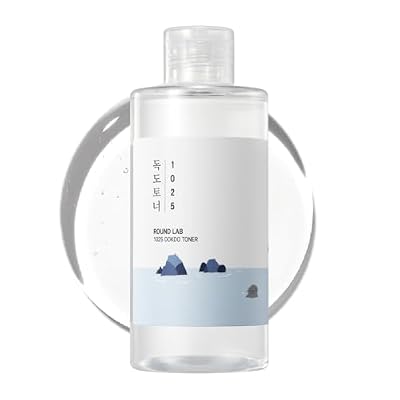
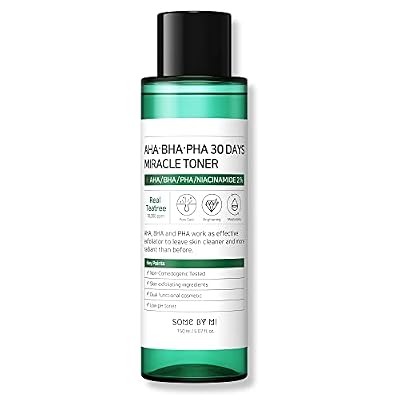
Reactive skin also makes it harder to read a new sunscreen, and that’s worth planning around. If your face reacts to a lot of things, a stack of strong actives — acids, retinoids and the like — sitting under the SPF muddies the test: when something stings, you can’t tell whether the filter is the culprit or the exfoliant two layers down. Keeping the morning simple — a gentle, low-ingredient hydrating step after you cleanse, and not much else — quiets that noise, so the filter you’re trialling is the thing you’re judging. A soothing toner is an easy way to hold the base steady while you work out which family your skin gets on with. If your skin runs sensitive in general, our routine for sensitive skin covers the pared-back version.
Which one should you choose?
Start from the problem you’re trying to fix. If white cast or a heavy feel has stopped you wearing sunscreen, a chemical filter is the obvious fix — clear, light, and the reason most Korean SPFs feel the way they do. If your skin reacts to a lot of things, a mineral sunscreen gives it less to argue with, and a tinted one takes care of the cast. Oily or acne-prone skin usually does better with a light chemical fluid than a rich mineral cream, though that comes down to the whole formula, more than the filter on its own.
Then keep the filter question in its place, because it’s the last and least of what decides your protection. Your sunscreen goes on over your moisturiser, so a heavy or slow-absorbing cream underneath can make either kind of filter feel worse than it is. If your SPF pills or slides, look at the layer under it before you blame the filter. But the parts that actually protect you come first, and they’re the dull ones: for the sunscreen you lean on every day, use one that’s on the ARTG — SPF50 or 50+, broad spectrum — and then use enough of it, topped up every couple of hours outdoors. Get those right and the chemical-or-mineral call is down to preference. How the ratings and listing work is in what SPF and PA mean on a Korean label, and where sunscreen goes in your routine covers the order.
Where to start
If cast is what has kept a sunscreen sitting in the drawer, look for a chemical-only formula and check the ingredient list for zinc or titanium before you buy — a lot of Korean SPFs blend both. If your skin flares easily, try a mineral one and patch-test it. Either way, make the sunscreen you rely on every day one that’s on the ARTG, and use enough of it. To see the Korean sunscreens we’ve written about, the sunscreen category gathers them, and the full Korean routine shows where this last step fits.